
English Terms
Shall vs Should
 ‘Shall’, most commonly, refers to something that a person must to or intends to do. While ‘should’ is used as a past tense of ‘shall’. |
Only vs Just
 The word ‘only’ refers to ‘a single, lone object’, while ‘just’ means ‘a moment ago’. The word ‘only’ can be used in various ways and depending on the context the meaning of the word changes. In the first... |
Have Been vs Has Been
 ‘Has been’ is more commonly used to third person tense, while ‘have been’ can be used for both first person and second person. It can also be used as a plural form for third person. |
Got vs Have
 The verb ‘have’ commonly refers to “to possess, or own”, while the word ‘got’ is a past tense of ‘get’.’Get’ refers to ‘obtain, posses or go after.” |
Affect vs Effect
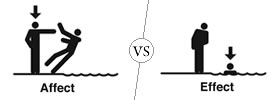 The main difference between “affect” and “effect,” is the fact that in most cases “affect” is used as a verb, whereas, “effect” is used as a noun. “Affect” means to have an influence on something. “Effect,” on... |
Pages
 |
 |
 |
 |
 |
 |
 |
 |